Understanding the Fundamental Principles of Startup Business Planning
In the journey of launching a startup, understanding the fundamental principles of business planning is crucial. A solid business plan lays the groundwork for success, guiding entrepreneurs through the complex landscape of new ventures. It’s not just about having a great idea; it’s about creating a roadmap that helps navigate challenges and seize opportunities.At its core, effective startup business planning revolves around a few key concepts.
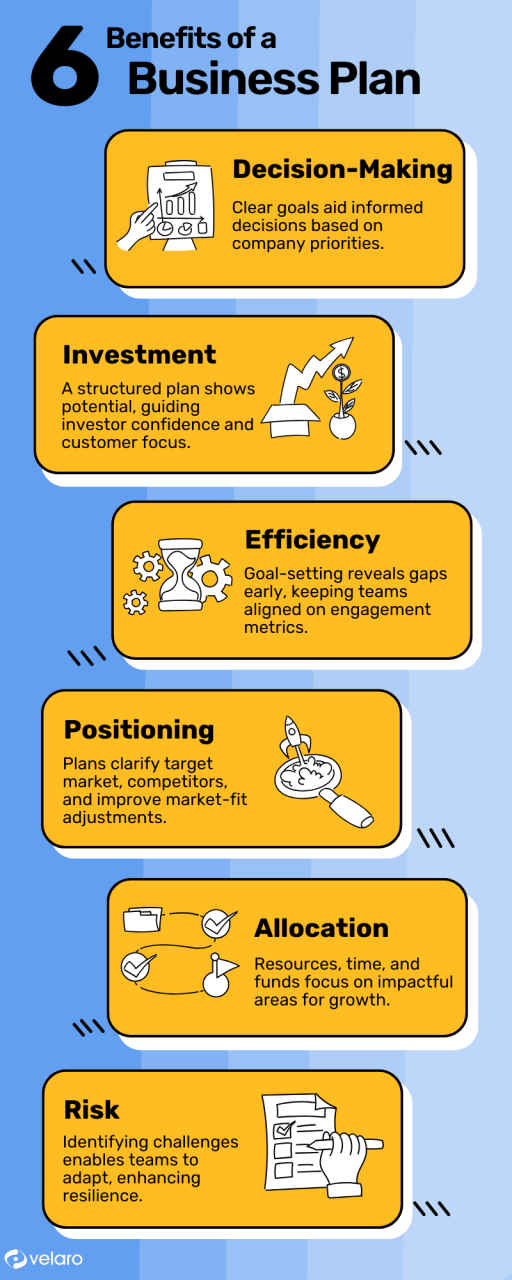
First and foremost, it’s vital to set clear objectives. Clear objectives act as a compass, steering the startup in the right direction. They help in prioritizing tasks, allocating resources efficiently, and measuring progress over time. Without specific goals, it becomes challenging to assess whether the business is on the right path. Market research plays a pivotal role in informing business decisions and strategies.
It’s essential for understanding the competitive landscape and customer preferences. By conducting thorough market research, startups can identify gaps in the market and tailor their offerings to meet the specific needs of their target audience. This insight not only aids in crafting effective marketing strategies but also in developing products or services that resonate with potential customers.
The Importance of Setting Clear Objectives
Setting clear objectives is not merely an exercise in paperwork; it’s a strategic necessity. Objectives help to focus efforts and can be broken down into short-term and long-term goals. Short-term goals might include reaching a specific sales target within the first quarter, while long-term goals could involve expanding into new markets over the next few years. When objectives are set, they should be SMART: Specific, Measurable, Achievable, Relevant, and Time-bound.
This framework ensures that the goals are not only clear but also realistic and actionable. For instance, instead of a vague goal like “increase sales,” a SMART goal would be “increase sales by 20% in the next six months through targeted marketing campaigns.” Moreover, these objectives guide the entire planning process. They dictate resource allocation, marketing strategies, and even team dynamics.
When everyone in the organization is aligned with the same goals, it fosters a culture of accountability and motivation.
The Role of Market Research
Market research serves as the foundation for making informed business decisions. It encompasses a variety of methods, from surveys and interviews to analyzing existing data and trends. By investing time and resources in market research, startups can uncover critical insights about their target audience, including their preferences, behaviors, and pain points.One effective method for conducting market research is through customer segmentation.
This involves dividing the broader market into smaller, more manageable groups based on specific characteristics, such as demographic information, purchasing behavior, or interests. By understanding these segments, startups can tailor their products and marketing strategies to meet the unique needs of each group, ultimately enhancing customer satisfaction and loyalty.Additionally, developing buyer personas can significantly enhance marketing efforts. Buyer personas are semi-fictional representations of ideal customers, based on real data and market research.
By creating detailed profiles that include information about demographics, behavior patterns, motivations, and goals, startups can craft targeted marketing messages that resonate with their audience.In conclusion, mastering the fundamental principles of startup business planning is essential. By setting clear objectives, conducting thorough market research, and understanding target audiences, startups can build a strong foundation for success in a competitive landscape.
Identifying and Analyzing Target Audiences
Identifying and analyzing target audiences is a cornerstone of effective startup business planning. Knowing exactly who your customers are and what they need is vital for developing products and marketing strategies that resonate with them. A deep understanding of your target audience can lead to better customer engagement and higher conversion rates.To identify target customers, startups can utilize several methods.
One common approach is demographic analysis, which involves gathering data on age, gender, income level, education, and location. This information can help paint a clearer picture of who potential customers might be. Another method is psychographic analysis, which digs deeper into the lifestyle, interests, values, and attitudes of customers. Combining these two approaches creates a well-rounded understanding of the target audience.
Surveys and focus groups are also valuable tools for gathering insight directly from potential customers. By asking specific questions about preferences, challenges, and purchasing decisions, startups can obtain firsthand information that greatly informs product development and marketing strategies.
Customer Segmentation Strategies
Conducting customer segmentation is essential for tailoring products and services to different audience groups. Effective segmentation can lead to more personalized marketing efforts, which can increase customer loyalty and retention. There are several strategies for customer segmentation:
- Demographic Segmentation: This method groups customers based on demographic factors such as age, gender, income, education level, and occupation.
- Geographic Segmentation: This involves categorizing customers based on their location, which can influence purchasing decisions and preferences.
- Behavioral Segmentation: This focuses on customer behaviors, including purchasing patterns, product usage, and brand loyalty.
- Psychographic Segmentation: This method dives into customers’ lifestyles, values, interests, and personalities.
By understanding and identifying these segments, startups can create tailored marketing messages that speak directly to the needs and desires of each group. This targeted approach often leads to higher engagement and conversion rates, as customers feel that the offerings are designed specifically for them.
Understanding Buyer Personas
Creating buyer personas is a powerful strategy for enhancing marketing efforts and driving business growth. A buyer persona is a fictional character that embodies the traits of your ideal customer. It’s based on real data and insights gathered from market research. To create effective buyer personas, startups should gather detailed information about potential customers, including their demographics, motivations, challenges, and decision-making processes.
This information can be obtained through surveys, interviews, and analyzing existing customer data. Once a startup has developed its buyer personas, these profiles can be used to inform marketing strategies, product development, and customer service approaches. By understanding the specific needs and pain points of each persona, startups can create tailored messages that resonate with their audience, ultimately driving engagement and fostering brand loyalty.In summary, identifying and analyzing target audiences is not just an important step but a vital strategy for ensuring that a startup can effectively meet customer needs and thrive in a competitive market.
Financial Forecasting for Sustainability
Financial forecasting is a critical aspect of startup business planning, laying the groundwork for long-term sustainability. A comprehensive financial forecast helps entrepreneurs understand their startup’s potential profitability and cash flow, enabling them to make informed decisions about investments and resource allocation.At the heart of a financial forecast are several key components. First is revenue projections, which estimate how much income the business will generate over a specific period.
This involves analyzing market trends and sales data to create realistic revenue goals. Next is expense forecasting, which Artikels anticipated costs, including fixed and variable expenses, to ensure the startup remains financially viable. Finally, cash flow projections are essential, as they track the inflow and outflow of cash, helping entrepreneurs manage liquidity and avoid cash shortages.
Budgeting Methods and Their Relevance
Various budgeting methods can help startups effectively manage their finances. One common approach is the incremental budgeting method, where next year’s budget is based on the previous year’s figures, adjusted for anticipated changes. This method is straightforward but may not encourage innovation or respond well to drastic market changes.Another effective method is zero-based budgeting, which requires startups to justify every expense from scratch, rather than just adjusting past budgets.
This approach encourages careful consideration of each expenditure and can lead to more efficient resource allocation.
Potential Funding Sources
Source: nyt.com
Identifying potential funding sources is another essential aspect of financial planning. Startups typically explore various avenues, including angel investors, venture capitalists, crowdfunding platforms, and small business loans. Each funding source comes with its own set of requirements and implications, so it’s crucial for entrepreneurs to thoroughly research and prepare.Creating a compelling pitch for investors is vital in securing funding. A strong pitch should clearly Artikel the business model, market opportunity, financial projections, and the unique value proposition.
It’s essential to communicate enthusiasm and confidence in the startup’s potential for success.In conclusion, effective financial forecasting and budgeting are critical to ensure a startup’s sustainability. By understanding the components of a financial forecast and exploring various funding sources, entrepreneurs can position their businesses for growth and stability.
Building a Robust Business Model
A robust business model is essential for guiding operations and achieving growth in a startup. It defines how a company creates, delivers, and captures value, and serves as the foundation for decision-making and strategy development.There are several types of business models that startups can consider. The most common include:
- Freemium Model: This model offers basic services for free while charging for premium features. It’s popular among software and app startups, as it allows users to try the product before committing to payment.
- Subscription Model: In this model, customers pay a recurring fee to access a service or product. It’s common in industries like streaming, fitness, and SaaS (Software as a Service).
- E-commerce Model: This model involves selling products directly to consumers through an online platform. It requires effective marketing strategies to drive traffic and conversions.
- Marketplace Model: Here, the startup acts as an intermediary between buyers and sellers, generating revenue through transaction fees. Examples include platforms like Airbnb and Uber.
The Importance of Scalability
Scalability is a crucial factor in business planning. A scalable business model can grow without being hampered by its structure or available resources. Startups should evaluate their model for scalability to ensure they can expand efficiently as demand increases.
The Value Proposition
A compelling value proposition is vital in attracting customers and investors alike. It succinctly communicates the unique benefits that the product or service offers. Startups should focus on identifying what sets them apart from competitors and clearly articulate this to their audience. A strong value proposition ensures that customers understand why they should choose your product, ultimately driving sales and fostering brand loyalty.In summary, a well-defined business model and a clear value proposition are fundamental components of successful startup planning, providing direction and clarity as the business grows.
Crafting a Compelling Value Proposition
Designing a unique value proposition (UVP) is essential for differentiating a startup in today’s competitive marketplace. A UVP clearly articulates the unique benefits and value that a product or service provides to customers, making it easier for them to understand why they should choose your offering over others.To create an effective UVP, startups should start by identifying their target audience and understanding their pain points.
It’s crucial to address specific problems or needs that customers face and explain how the startup’s offerings can solve these issues. The UVP should be concise and compelling, often reduced to a single sentence that encapsulates the essence of the brand.
Validating Value Propositions
Validating value propositions through market feedback is a critical step in ensuring that they resonate with potential customers. This process can involve conducting surveys, interviews, or focus groups to gather insights on how the target audience perceives the UVP. Startups can refine their offerings based on this feedback, ensuring that they are aligned with customer expectations and needs.
Communicating the Value Proposition Effectively
Communicating the value proposition effectively across marketing channels is vital for maximizing its impact. Startups should utilize various platforms, including social media, email marketing, and content marketing, to share their UVP with the audience. Consistency in messaging across all channels is essential, as it reinforces the brand identity and helps build trust with customers.In conclusion, a well-crafted and validated value proposition not only sets a startup apart from competitors but also lays the foundation for successful marketing and customer engagement strategies.
Developing a Strategic Marketing Plan
A strategic marketing plan is essential for any startup looking to penetrate the market and achieve growth. This plan Artikels the marketing strategies and tactics that will guide the startup in reaching its target audience and achieving its business objectives.The first step in creating an effective marketing strategy is to conduct a thorough market analysis. This involves understanding market trends, identifying competitors, and recognizing opportunities for differentiation.
Once the market analysis is complete, startups should define their marketing goals. These goals should align with the overall business objectives and be specific, measurable, achievable, relevant, and time-bound (SMART). Examples of marketing goals could include increasing brand awareness, generating leads, or improving customer retention.
Key Performance Indicators (KPIs)
Identifying key performance indicators (KPIs) is crucial for measuring the success of the marketing plan. Some important KPIs to consider include:
- Website traffic
- Conversion rates
- Customer acquisition cost
- Return on investment (ROI) for marketing campaigns
Monitoring these KPIs allows startups to assess the effectiveness of their marketing strategies and make necessary adjustments.
The Importance of Digital Marketing
In today’s startup landscape, digital marketing plays a pivotal role in reaching a wider audience. With the majority of consumers spending significant time online, leveraging digital marketing channels such as social media, email, and search engine optimization () is crucial. Creating engaging content that resonates with the target audience can help establish brand authority and drive customer engagement. Startups should also consider utilizing digital advertising to reach specific demographics effectively.
In summary, developing a strategic marketing plan with clear goals and KPIs is vital for any startup’s success. Embracing digital marketing strategies can significantly enhance a startup’s visibility and reach in today’s competitive environment.
Operational Planning in Startups
Operational planning is a critical aspect of startup management that often gets overlooked during the initial phase. Establishing efficient operational processes is essential for ensuring that the business runs smoothly and can scale effectively.Startups should begin by mapping out their core operational processes. This includes defining workflows, identifying key roles and responsibilities, and establishing guidelines for decision-making. Clear documentation of these processes helps ensure consistency and efficiency as the business grows.
Tools and Technologies for Streamlining Operations
There are numerous tools and technologies available that can help streamline operations for new businesses. For instance, project management tools like Trello or Asana can help teams stay organized and track progress on various tasks. Communication platforms like Slack or Microsoft Teams facilitate collaboration among team members, especially if working remotely.Moreover, adopting cloud-based solutions for data management and storage can improve accessibility and security.
These tools allow teams to access essential information from anywhere, enhancing productivity and efficiency.
Supply Chain Management in Startup Planning
Supply chain management is another crucial aspect of operational planning. Startups need to establish reliable suppliers and logistics partners to ensure that products are delivered on time and at the right cost. Effective supply chain management can lead to cost savings and improved customer satisfaction.Startups should also consider inventory management systems that help track stock levels and automate reordering processes.
This approach minimizes the risk of stockouts and ensures that customers receive their orders promptly.In conclusion, operational planning, supported by the right tools and effective supply chain management, is essential for startup success. By establishing efficient processes and leveraging technology, startups can position themselves for sustainable growth.
Legal Considerations for Startups
When laying the groundwork for a startup, legal considerations are vital for ensuring compliance and reducing risk. Understanding the various legal structures available for startups is the first step in this process.Common legal structures include sole proprietorships, partnerships, limited liability companies (LLCs), and corporations. Each structure has its own implications for liability, taxation, and management. For instance, forming an LLC can protect personal assets from business liabilities, making it a popular choice for many entrepreneurs.
The Importance of Compliance
Compliance with laws and regulations is essential for any startup. This includes understanding industry-specific regulations, labor laws, and tax obligations. Non-compliance can lead to significant penalties, which can jeopardize the startup’s future.Startups should consult with legal experts to ensure that they are meeting all necessary requirements. This proactive approach helps safeguard the business and allows entrepreneurs to focus on growth.
Necessary Licenses and Permits
Startups often need various licenses and permits to operate legally, depending on their industry and location. For example, a food business may require health and safety permits, while a construction company may need specific licenses to operate. To obtain the necessary licenses and permits, startups should research local, state, and federal regulations. Engaging with legal counsel can also provide guidance and ensure that all paperwork is filed correctly and on time.In summary, understanding legal considerations is crucial for startups.
By choosing the right legal structure, ensuring compliance, and obtaining necessary licenses, entrepreneurs can lay a strong foundation for their businesses.
Adapting to Changes in the Business Environment
In today’s fast-paced market, the ability to adapt to changes in the business environment is a key factor in long-term success. For startups, being flexible and open to change can mean the difference between thriving and merely surviving.Flexibility allows startups to pivot their strategies when faced with unforeseen challenges. Whether it’s a shift in consumer preferences, new technologies, or changes in regulations, being adaptable enables businesses to respond effectively.
This agility can lead to innovation and new opportunities for growth.
Strategies for Monitoring Industry Trends
Monitoring industry trends is essential for maintaining a competitive edge. Startups should invest time in market research and analysis to keep abreast of emerging trends and shifts in consumer behavior. This can be achieved through various methods, including:
- Regularly reading industry publications and reports
- Participating in networking events and trade shows
- Engaging with customers through surveys and feedback
By staying informed, startups can identify opportunities for new products or services and adjust their strategies accordingly.
Pivoting Business Models
When faced with significant challenges, startups may need to pivot their business models. This involves reassessing the current approach and making necessary changes to align with market demands. For instance, a startup that initially focused on in-person services may need to shift to an online model due to changing consumer behaviors.Successful pivots often require thorough analysis and a willingness to embrace change.
Startups should remain agile and willing to experiment with new ideas, as this can lead to innovative solutions that drive growth.In conclusion, the ability to adapt to changes in the business environment is crucial for startups. By staying flexible and responsive to market trends, entrepreneurs can position their businesses for long-term success.
The Role of Mentorship in Startup Success
A strong mentorship network can significantly influence a startup’s journey, providing invaluable guidance and support. Finding and engaging with mentors in the industry is a crucial step for entrepreneurs looking to navigate the challenges of starting and growing a business.Mentors can offer insights based on their own experiences, helping startups avoid common pitfalls and make informed decisions. They can also provide valuable connections to potential partners, customers, and investors, thus expanding the startup’s network.
Benefits of a Diverse Mentorship Team
Having a diverse mentorship team with varying expertise can be particularly beneficial. Different mentors bring unique perspectives and skills to the table, which can help entrepreneurs tackle a wide range of challenges. For instance, a mentor with experience in finance can assist with budgeting and funding strategies, while a mentor with a marketing background can offer insights into crafting effective marketing campaigns.
This diversity can provide a well-rounded support system for startups as they navigate their growth journey.
Examples of Successful Startups
Many successful startups attribute their achievements to strong mentorship. For example, Airbnb’s founders received guidance and support from seasoned entrepreneurs who helped them refine their business model and pitch to investors. Similarly, Dropbox’s founders benefited from mentorship that assisted them in navigating early challenges and scaling their platform.In summary, leveraging a mentorship network is crucial for startup success. By seeking guidance from experienced mentors and embracing diverse perspectives, entrepreneurs can enhance their decision-making and increase their chances of success in the competitive startup landscape.